Bixie, Italian bob, French bob: three cuts, three different jaws
They are sold as three moods. They are really three finishing lines, and each one sits in a different relationship to the jaw. Once that is clear the choice stops being about taste.
Last reviewed 2 August 20266 min readSravya
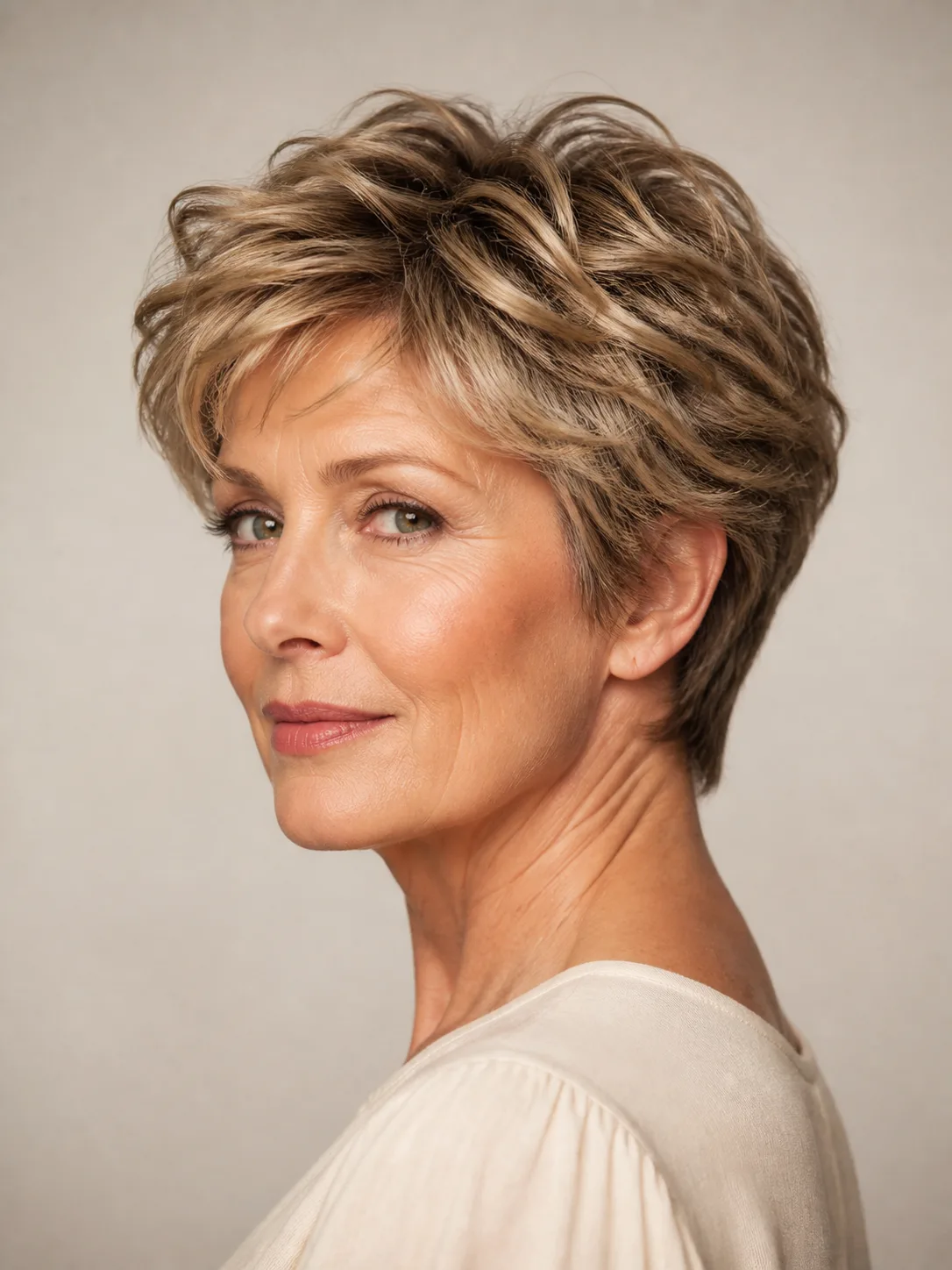
- 110k
- Monthly searches for the bixie
- 3
- Finishing lines
- 0.85
- The jaw ratio that splits them
Up 122 percent year on year, the fastest riser of the three.
Above the jaw, at the jaw, below the jaw. That is the entire difference.
Below it, all three are open. Above it, only one is comfortable.
The short version
A bixie finishes above the jaw and puts the jawline fully on show. A French bob finishes at or just below it, usually with a fringe. An Italian bob sits below the jaw with the ends turned under and the weight kept in. If your jaw is clearly narrower than your cheekbones, all three are available and the choice is taste. If your jaw is close to as wide as your cheekbones, the Italian bob is the one that helps, because it is the only one of the three carrying weight past the widest point.
01The three, defined by where they stop
| Cut | Where it finishes | What it does to the jaw | Upkeep |
|---|---|---|---|
| Bixie | Above the jaw, at or near the ear | Shows all of it. Nothing beside the jaw and nothing below it. | High. Six to eight weeks. |
| French bob | At the jaw, usually with a blunt fringe | Draws a horizontal line level with the jaw, which reads as width there. | Medium. Eight to ten weeks. |
| Italian bob | Below the jaw, ends turned under | Carries weight past the jaw, so the widest visible line moves below it. | Medium. Eight to ten weeks. |
Stylists describe the Italian bob as the sculpted one, polished rather than undone. That description is about finish. The reason it suits more people than the other two is structural: it is the only one of the three that does not draw a line at or above the widest part of a lower face.
02Which one your jaw is asking for
| Shape | Bixie | French bob | Italian bob |
|---|---|---|---|
| Oval | Yes | Yes | Yes |
| Heart | Yes | Yes | Yes |
| Diamond | Yes | With a softened fringe | Yes |
| Oblong | With crown volume kept low | Yes, the fringe helps | Yes |
| Square | Only if textured | No, it repeats the jaw | Yes |
| Round | No | No | Yes |
| Triangle | No | No | Yes, with volume above the ear |
Verdicts follow the same balance logic the face shape tool uses. They are guidance, not rules.
03The mistake all three share
All three are usually chosen from a photograph of someone whose jaw is narrower than the reader's. That is not an accident. Cuts that finish near the jaw photograph best on faces where the jaw is the narrowest thing in frame, so those are the photographs that circulate, and the cut arrives in the salon attached to a face it was never demonstrated on.
The fix is not to avoid the cut. It is to say out loud where you want it to finish, in relation to your own jaw, rather than pointing at the photograph.
Finish it a finger's width below the jaw, not level with it.
Common questions
Sources
Every figure quoted above is listed here with what it was used for and when the source was last checked. Anything not attributed to a source is this site’s own reading and is labelled as such where it appears.
Refinery29
16 haircut trends for spring 2026, from pixies to bobsStylist commentary on the softer, more textured pixie and on the Italian bob.
Last checked 2 August 2026
Rising Trends
Top Haircare Trends in 2026 (backed by data)Average monthly search volume and growth figures for every named cut quoted on this page. Data dated 13 July 2026.
Last checked 2 August 2026
Check it against your own measurements
The number that decides between these three is jaw width divided by cheekbone width. The tool reads it from a photograph and shows the figure, so the decision is made on a measurement rather than on whose photograph you saw first.
Find which bob fitsRead next
- The most searched haircuts of 2026Where the bixie sits against the other eight.
- The square face shapeThe jaw ratio that rules out two of these three.
- Measure your jaw ratioOne photograph, four widths, no upload.
- How to Measure Your Face ShapeEvery face shape tool claims to measure your face and then shows you a word. This is the measuring itself: where the tape goes, which four numbers matter, and the ratios each shape sits at.