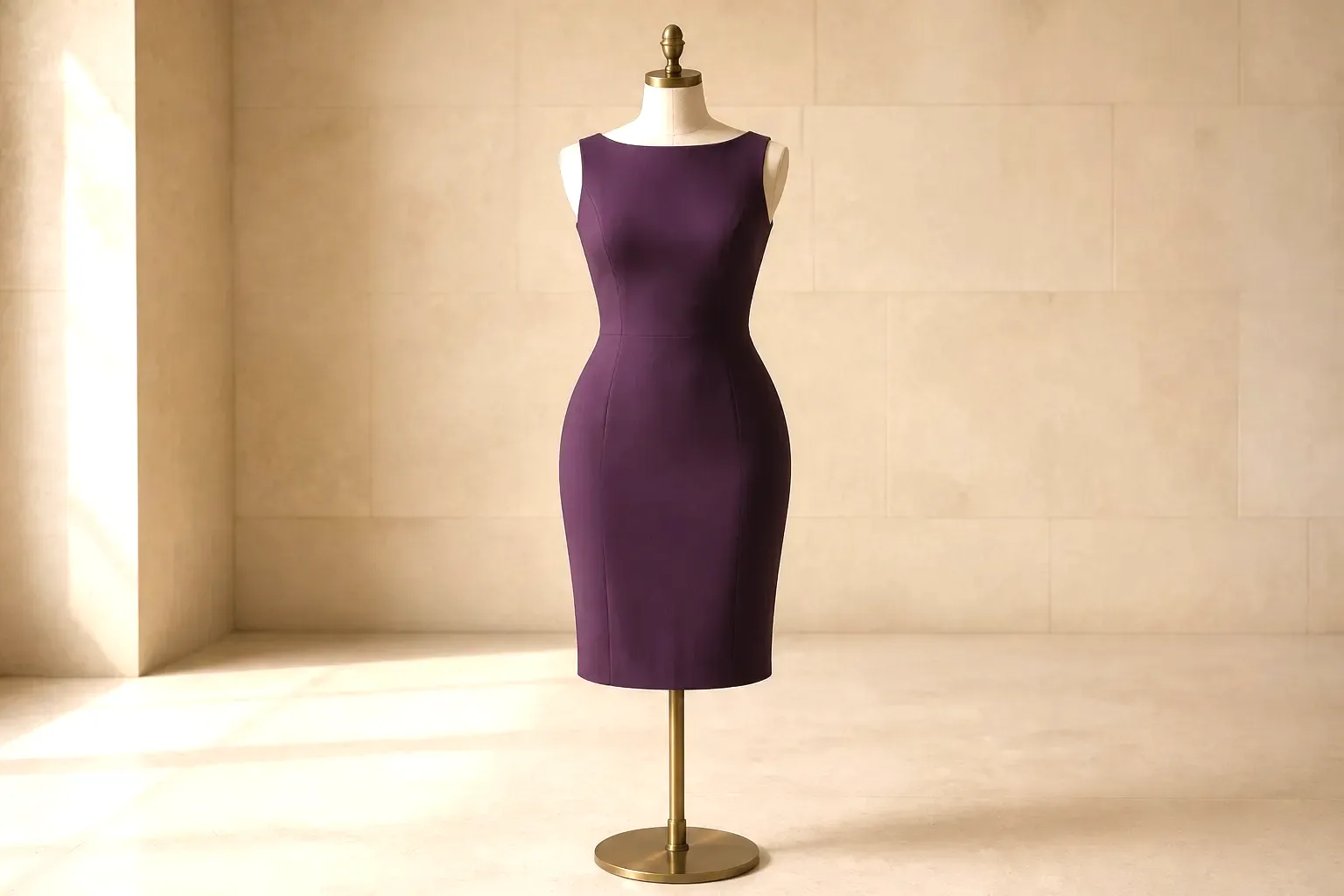
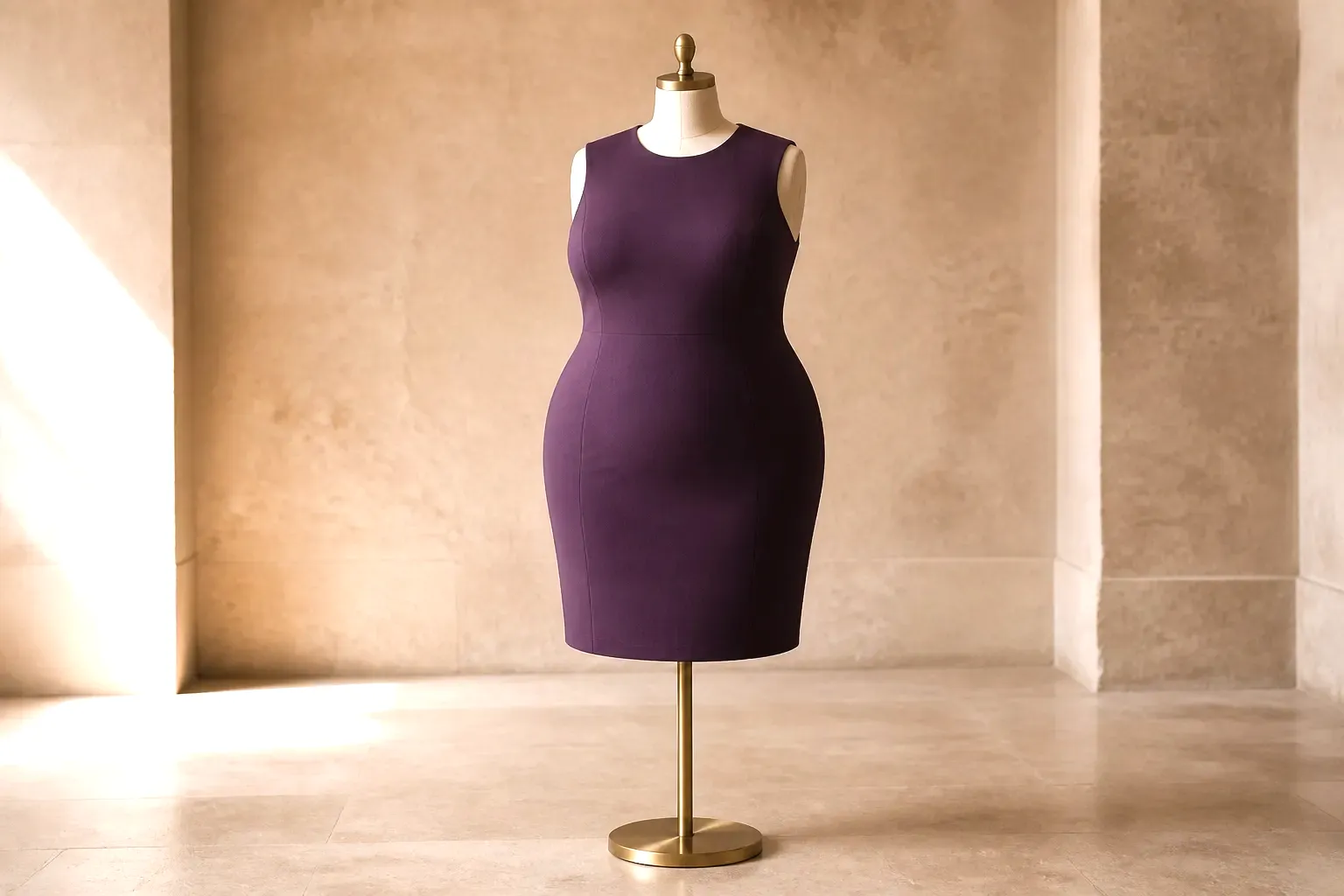
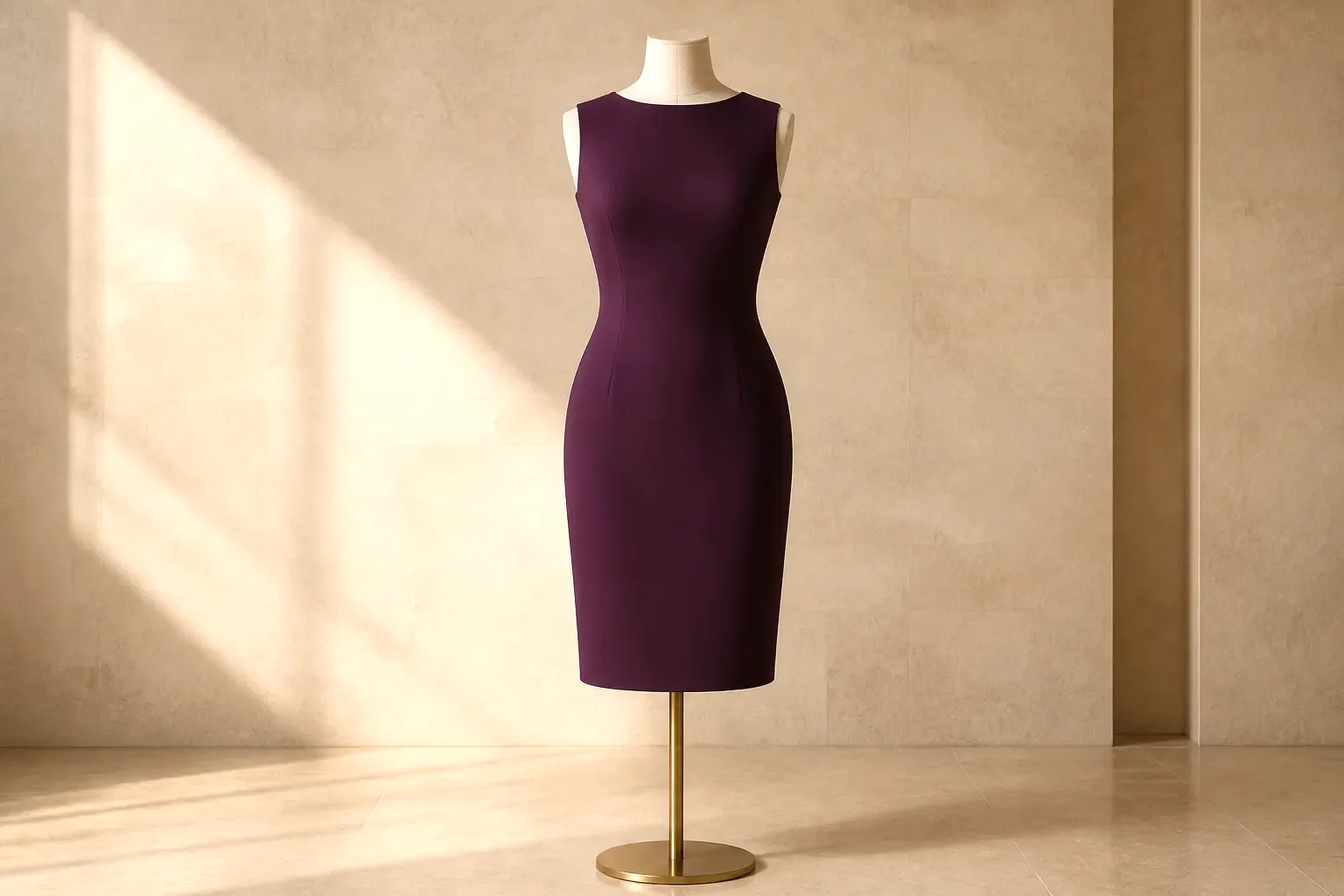
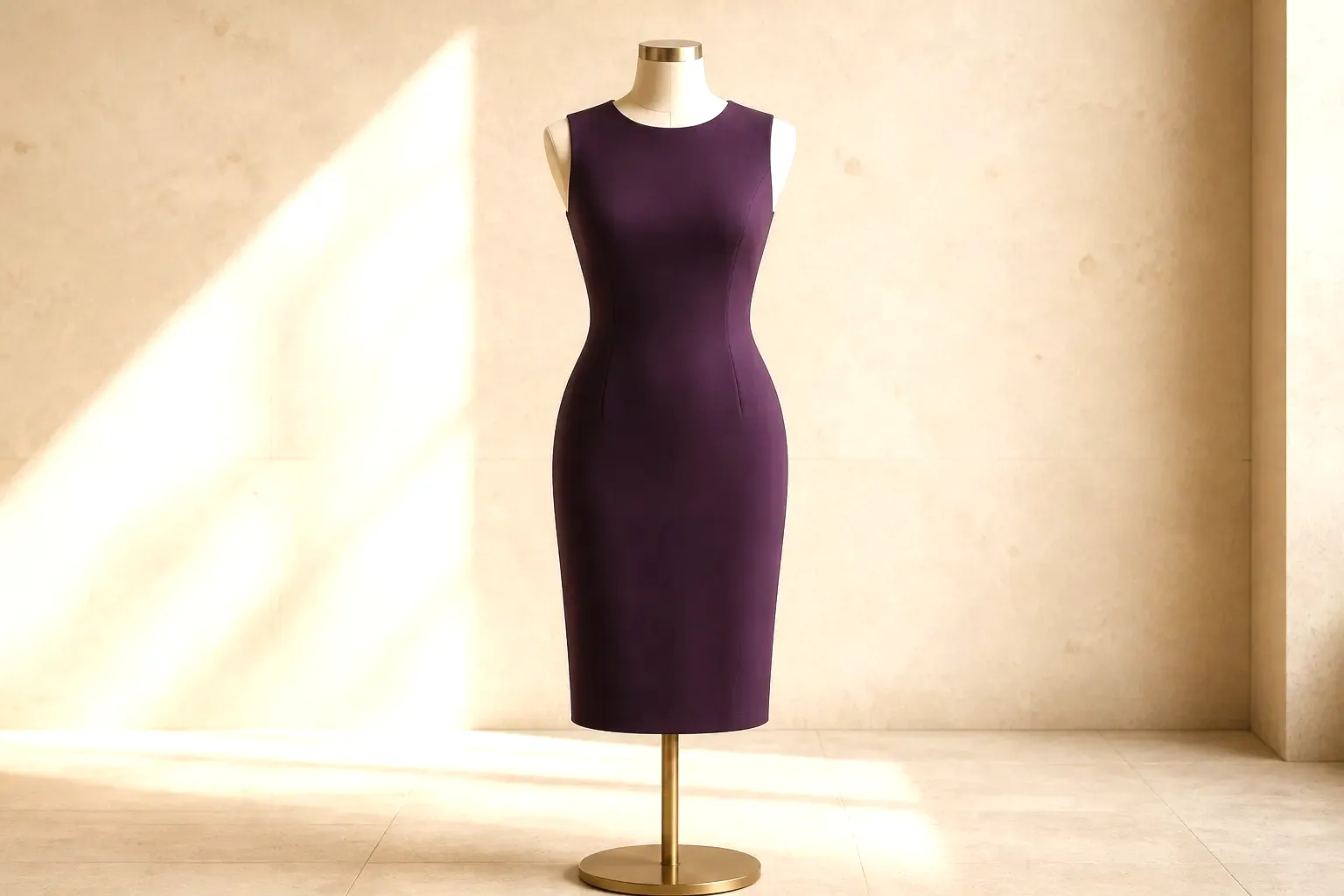
What the result describes, and what it does not
A body shape label describes the relationship between three circumferences and nothing else. It does not rate a body, say anything about health, or decide what anyone may wear. Real proportions often sit between two profiles, which is why the confidence matters as much as the label. A low-confidence result means the runner-up was close, and the sensible response is to borrow from both.
Size and shape are separate. Two people in different sizes can share the same ratios. Height, shoulder width, torso length and where fullness sits all change how a garment falls, and this calculator collects none of them. The result is a starting point for testing proportion, not an account of a body.
How to take repeatable measurements
Use a flexible tape over close-fitting clothing, kept level with the floor and firm enough to stay put without compressing. Measure the bust at its fullest point and across the back, the natural waist at the narrowest part of the torso without pulling the stomach in, and the hip at the fullest part of the seat. Take each one twice, and reset the tape rather than averaging a reading that slipped. Ratios are unit-independent, so inches and centimetres give the same answer as long as all three use one unit.
Bust stands in for the upper body here because the form does not ask for shoulders. Anyone whose shoulders differ noticeably from their bust may find the visual outline matches a neighbouring profile, and the reason printed beneath the result says so.
How the calculator reaches a result
It divides bust by hip and waist by hip, which removes the unit and leaves proportion. It then measures how far those two ratios sit from five editorial profile centres published in the site data, takes the nearest as the result, and turns the gap to the second-nearest into high, medium or low confidence. These centres are editorial thresholds for a repeatable comparison, not medical categories or population norms.
The profiles follow the traditional styling equations, which separate a wider upper or lower body at roughly five percent and call a waist defined at about 25 percent smaller than balanced bust and hip, with an apple centre added so three measurements can represent less waist indentation. Other calculators draw these lines elsewhere, so a small change in measurement that changes the label means the ratios sit near a boundary.
Turning the label into something to try on
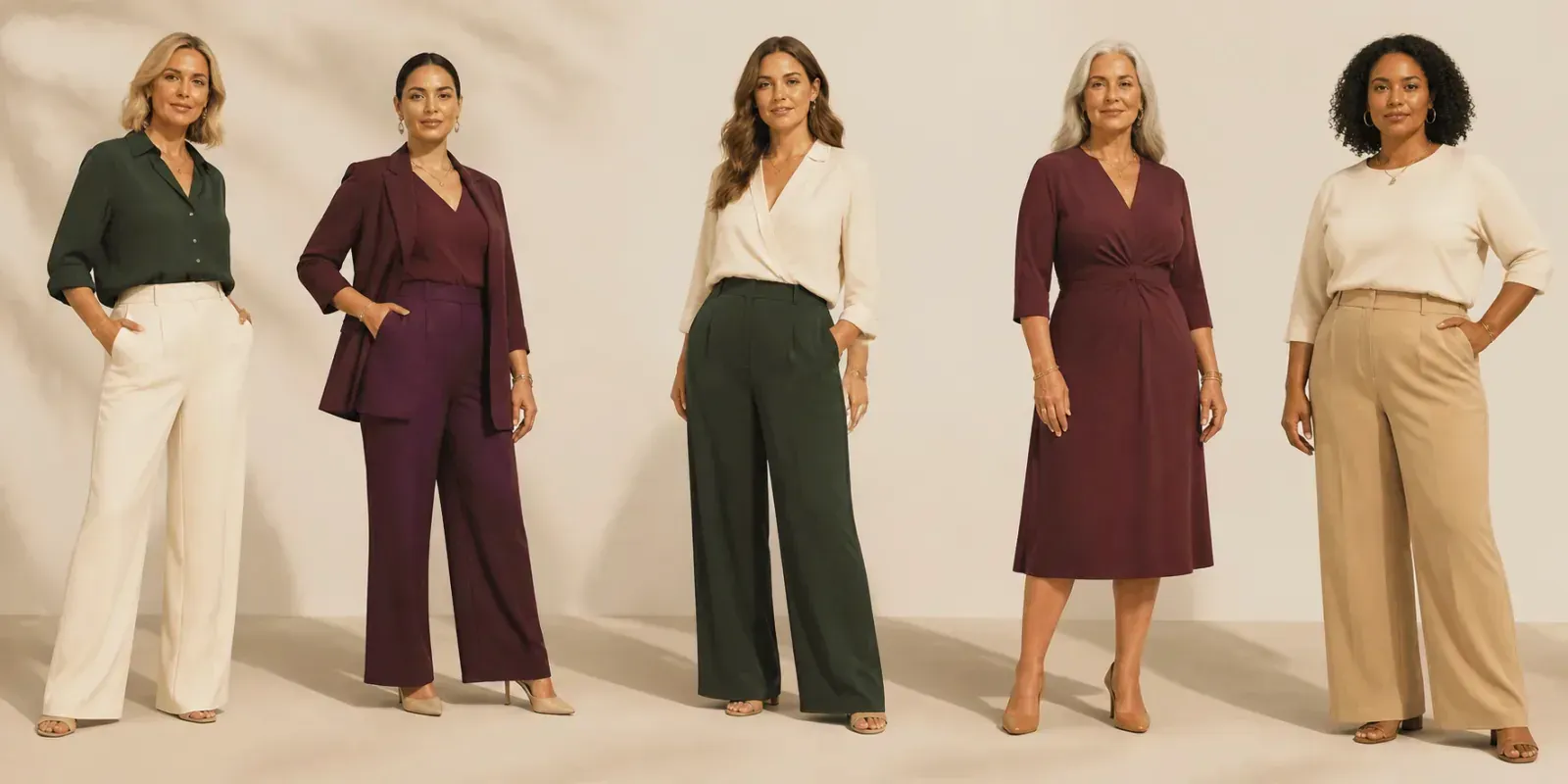
Start from the effect wanted rather than a rule. A defined waist is repeated by wrap shapes, curved seams and visible waistbands. Visual width above comes from open necklines, brighter tops and shoulder detail; below, from fuller skirts, wide legs and pleats. A longer torso line comes from open jackets, uninterrupted colour and vertical seams. None of these is required, and the opposite choice makes a strong outfit when contrast is the point.
Fit decides more than the category. Buy for the hardest area to alter, usually the hip or thigh in trousers and the shoulder in a jacket, since a waist or hem is far easier to adjust than a strained seat. Fabric changes the outcome too: crisp cloth holds a planned outline while jersey follows the body, so the same cut reads differently in two materials. Sit, reach and walk before deciding.