whatsuitsme

Rectangle body shape

Bust and hip measure close to each other, near 1.00, with a softer waist near 0.84 of the hip.

Last reviewed 10 August 2026By Sravya

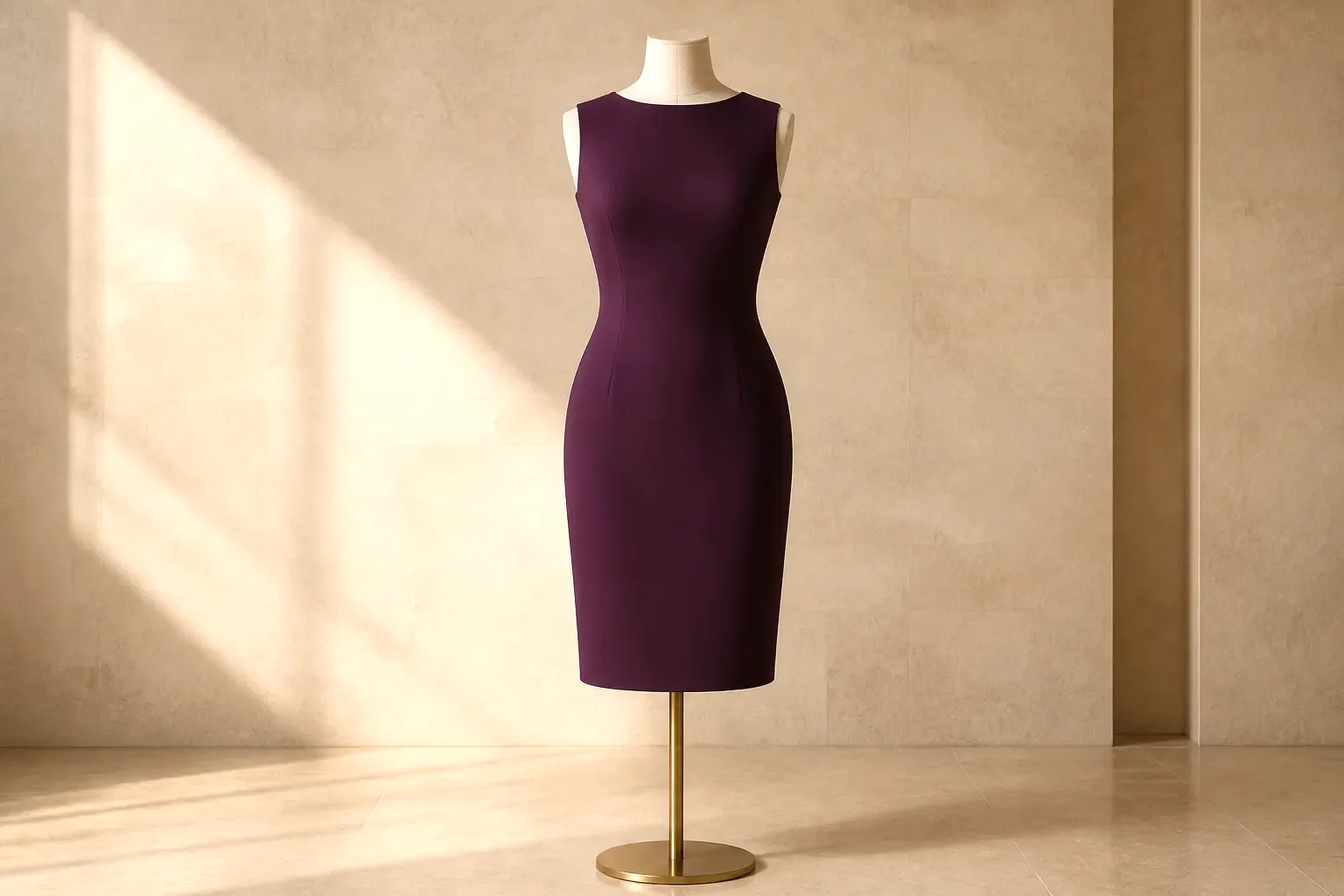
Dress form illustrating rectangle body proportions

The ratios that define it

body
Bust ÷ hip
1.00

1.00 means bust and hip measure the same

Waist ÷ hip
0.84

lower means a more defined waist

These are editorial ratio centres for a nearest-profile comparison, not medical categories or size charts. The calculator measures how far your two ratios sit from each of the five centres and reports the closest, along with how close the runner-up came.

Work out my body shape

A rectangle, sometimes called a straight or banana shape, has a bust and hip that measure close to each other and a waist that is not dramatically narrower than either. The outline runs fairly straight from shoulder to hip.

It shares its bust-to-hip balance with the hourglass exactly. The only thing separating the two is waist definition: near 0.84 of the hip here against near 0.72 for an hourglass. That single figure changes the advice completely, because an hourglass has a waist to follow and a rectangle has one to create.

How to measure yours

Measure bust, waist and hip in the usual way, keeping the tape level and not pulling it tight. The waist goes at the narrowest point.

Divide bust by hip. A rectangle sits near 1.00, so the two are within a few percent. Then divide waist by hip. A rectangle sits near 0.84.

If that waist figure comes out nearer 0.72, the shape is hourglass. If it comes out nearer 0.94, it is apple. Those two comparisons are the whole test, and this is the shape most affected by sloppy tape tension, so measure twice.

What it gets mistaken for

  • Mistaken for

    hourglass

    Identical bust-to-hip balance. The waist figure is the only separator: 0.84 against 0.72. Nothing else distinguishes them.

  • Mistaken for

    apple

    Apple carries a waist closer still to the hip, near 0.94. If the waist is barely narrower than the hip at all, it is apple rather than rectangle.

The principle behind every suggestion below

The top and bottom are balanced but there is no strong waist to work with, so the useful moves create definition and curve rather than follow a line that is already there.

Clothes

This is the one shape where structure has to be supplied by the clothes rather than found in the body. That makes it unusually flexible, because there is no wide point to work around and very little that actively fights the proportion.

Worth reaching for

  • Cropped jackets and belts, which introduce a waist line where there is not a strong one
  • Curved seams and princess seams, which build shape into a flat panel
  • Pleats, pockets and fuller skirts, which add volume around the hip
  • Layering a fitted piece with a more relaxed one to vary the outline

Works against it

  • Straight, unstructured shifts, which repeat a straight line with another straight line
  • Very stiff boxy fabrics with no seaming through the body
  • Belts worn loose at the widest point rather than at the narrowest

Where to put the belt

Place it at the narrowest point you have, even if that is higher than a standard waistband sits.

The natural waist on this shape is often higher than ready-to-wear assumes. Wearing a belt where the garment expects it rather than where your waist actually is undoes most of what the belt was for.

Where people go wrong

  • Assuming rectangle means no shape

    It means the waist is less pronounced relative to the bust and hip, not that the body is flat. Bust and hip are balanced, which is the same starting point an hourglass has, and it is a straightforward shape to dress.

  • Pulling the tape tight at the waist

    This shape sits between hourglass and apple on one number. Tightening the tape by half an inch is enough to change which category comes out, which is why the calculator reports how close the runner-up was.

  • Wearing only unstructured clothing

    Soft, unstructured pieces follow the body's line, and on this shape that line is straight. Structure has to come from seams, belts or cut, and without it the outline stays as it started.

Common questions

Sources and review record

  • Who What Wear

    What body shape am I?

    Measurement points, proportional shape comparisons and optional clothing effects.

    Last checked 2026-07-31

Not sure this is you?

The calculator compares your two ratios against all five profiles and shows how close the runner-up was, which matters because most people sit between two rather than squarely on one.

Work out my body shape

The five body shapes

Or see all the guides.